




Reviewed by: Dr. Sathish Karmegam, MD, MMM, FACP
- You can get quality online medical advice without visiting a clinic for many non-emergency needs.
- The best experiences come through licensed clinicians using secure video or chat, with clear triage, appropriate prescribing, and documented follow-up. Expect prompt access, transparent costs, and safe guardrails for in-person care or emergency evaluation.
- It is 8:15 p.m. Your throat is burning. The idea of sitting in a crowded urgent care for two hours is the last thing you want. You are not alone—according to the American Medical Association, telehealth usage surged by over 3,000% during 2020 and has remained significantly higher than pre-pandemic levels ever since.
- Millions of patients now book a virtual doctor consultation and receive safe, effective care from home every year
What Makes Online Medical Advice Genuinely Good?
Quality starts with who is treating you. Look for state-licensed, board-certified clinicians who follow evidence-based protocols and document every visit in a secure, HIPAA-compliant record. Whether you’re booking an online healthcare consultation for the first time or returning for a follow-up, these standards should never be optional.
The four pillars of trustworthy virtual care are:
1. Clinical competence.
Telehealth-specific training equips experienced, board-certified physicians, nurse practitioners, and therapists with clear limits on what they can and cannot handle virtually.
2. Safe prescribing.
Prescriptions only when medically appropriate, sent directly to your pharmacy. Controlled substances are not prescribed through routine telehealth.
3. Security and privacy.
Fully HIPAA-compliant platforms with encrypted video or chat and proper patient consent workflows.
4. Continuity of care.
Visit summaries you can share with your primary care provider, plus a clear pathway for follow-up or in-person escalation when needed.
When these four elements come together, a telehealth consultation can be both genuinely convenient and clinically sound.
Choosing the Right Consultation Format: Video, Chat, or Asynchronous
Different health concerns call for different tools. Picking the right format improves accuracy and saves time.
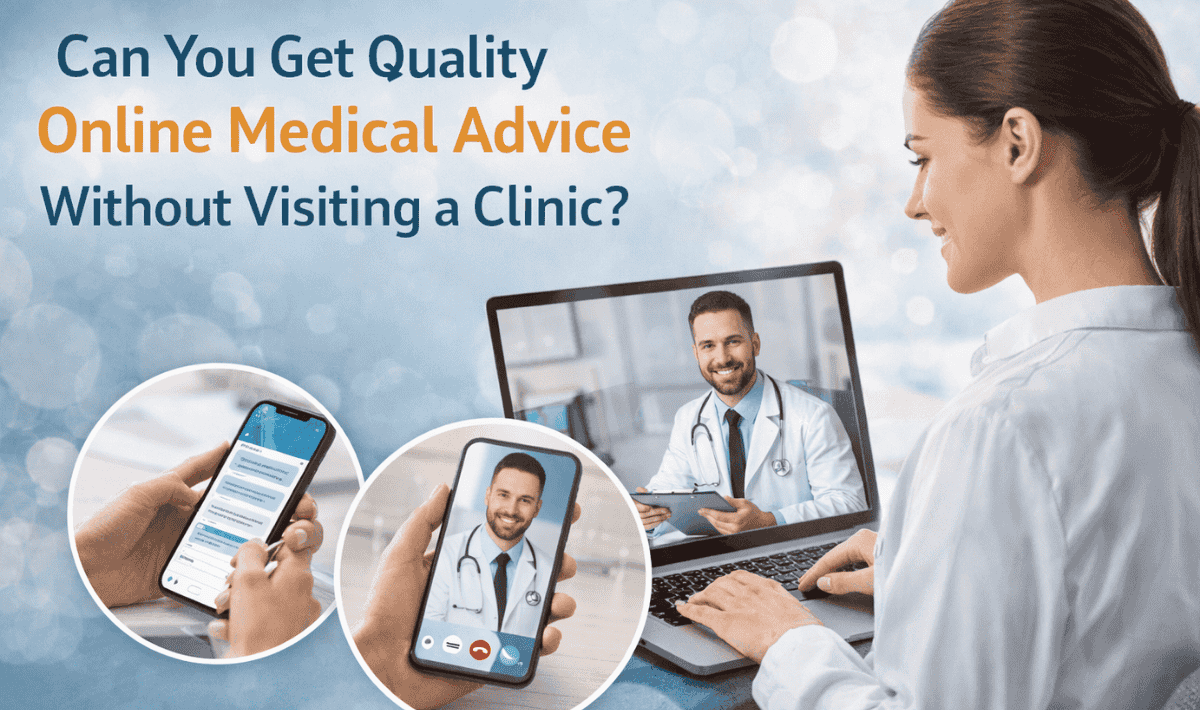
Video Consultation
Best for: respiratory symptoms, guided self-exams (skin, throat, and eye), urgent care questions, and any situation where real-time interaction matters. Most platforms offer 24/7 video access for urgent needs. If in doubt, choose video — it is always easier to move from “tell me” to “show me” mid-consultation.
Secure Chat
Best for: prescription refills, straightforward concerns like pink eye, simple rashes, UTIs, contraception, and sexual health counseling. Especially effective when you can upload photos directly.
Asynchronous (Store-and-Forward)
Best for: acne, cold sores, and routine dermatology. You answer structured questions and submit images at your own pace, and a clinician reviews and responds—typically within a few hours.
How to Prepare for Your Online Appointment
The quality of the advice you receive is directly tied to the quality of the information you provide. Before your visit:
- Write out your symptom timeline — when it started, what triggers it, and what makes it better or worse
- List all medications and allergies — including supplements and any recent antibiotics.
- Take clear photos — using natural light, with both close-up and context shots.
- Note any vitals you have access to — blood pressure, temperature, or oxygen saturation
- Have your insurance details or payment method ready — most platforms show pricing before you confirm
Some platforms may also ask for identity verification or condition-specific documentation (for example, recent lab results for certain prescription renewals).
Step-by-Step: What the Process Looks Like
- Open the app or website and select your location and visit type.
- Review availability and confirm pricing before booking
- Complete the intake form and upload any required documents or photos.
- Connect via video or chat at your scheduled time
- Receive a care plan and prescriptions if clinically appropriate
- Access your visit summary and share it with your primary care provider.
At Texan Primary Care, most patients connect with a clinician within minutes on demand, and every visit is fully documented for continuity of care.
What Happens During the Consultation?
Intake and Triage
Expect structured questions to assess urgency and determine the right care path. If your condition falls outside what telehealth can safely address, a good platform will redirect you immediately—to urgent care, the ER, or a specialist.
Remote Examination
Remote exams rely on observation and guided actions. A clinician may ask you to open your mouth, describe what you see on your skin in detail, or move a limb in a specific way. For many common conditions, this is sufficient to diagnose and treat.
Prescriptions, Labs, and Referrals
When appropriate, clinicians can prescribe medications sent directly to your pharmacy. Lab tests can be ordered and completed at nearby diagnostic centers, with results shared digitally and followed up by your provider.
Conditions Well-Suited for Online Medical Care
Minor Illnesses
Cold and flu symptoms, sinus infections, strep throat, pink eye (conjunctivitis), and uncomplicated urinary tract infections are among the most common and straightforward conditions treated through telehealth.
Skin Conditions
Acne, rashes, cold sores, eczema flare-ups, and other visible skin concerns are excellent candidates for asynchronous or video-based dermatology consultations, especially with clear photos.
Chronic Disease Management
Conditions like hypertension, high cholesterol, asthma, thyroid disorders, and type 2 diabetes can be effectively monitored and managed virtually — provided patients share accurate readings and follow a structured follow-up plan. The CDC notes that telehealth can play a significant role in improving chronic disease outcomes, particularly for patients with limited mobility or transportation access.
Mental and Preventive Health
Therapy sessions, psychiatric consultations, birth control management, sexual health counseling, and preventive health screenings are all routinely and effectively handled through virtual care. At Texan Primary Care, our licensed therapists and psychiatrists offer flexible, confidential appointments online.
Benefits and Limitations: An Honest Overview
Key Benefits
- Access to care often within minutes, any time of day
- No travel, no waiting rooms, no parking
- Typically lower out-of-pocket costs than in-person visits
- Transparent pricing shown upfront before you book
- Digital records easy to share with other providers
Real Limitations
- Physical examination has constraints—palpation, auscultation, and hands-on testing are not possible
- Certain prescriptions (controlled substances) cannot be issued via telehealth.
- Licensing laws mean clinicians can only treat patients in states where they hold an active license.
- Procedures and imaging require an in-person visit.
The mark of a trustworthy telehealth provider is knowing exactly where these limits lie—and directing you accordingly.
When You Must Seek In-Person or Emergency Care
Online medical advice is not appropriate for emergencies. Call 911 or go to the nearest emergency room immediately if you experience:
- Chest pain or Blood pressure
- Severe or sudden difficulty breathing
- Signs of stroke: slurred speech, facial drooping, sudden arm weakness
- Fainting or loss of consciousness
- Severe bleeding or traumatic injury
- High fever with stiff neck or altered mental status
Additionally, conditions that require stitches, fracture treatment, imaging, or hands-on procedures always require an in-person visit. A responsible virtual care provider will always make these requirements clear.
Costs and Insurance
Most major insurers now include telehealth benefits, often with low or zero copays depending on your plan. The federal telehealth flexibilities introduced during the COVID-19 pandemic have been extended, meaning Medicare and Medicaid coverage for telehealth remains broader than it was before 2020.
For patients paying out of pocket, telehealth visits are typically significantly more affordable than in-person urgent care. At Texan Primary Care, pricing is always displayed transparently before you confirm your appointment—no surprise bills.
Key Takeaways
- Quality online medical advice is effective and safe for a wide range of non-emergency health concerns.
- Video, chat, and asynchronous formats each suit different needs—match your format to your condition.
- Board-certified, licensed clinicians are non-negotiable for safe virtual care.
- Preparing thoroughly (symptoms, photos, medication list) directly improves the quality of care you receive.
- Virtual care complements in-person medicine—it does not replace it, and reliable platforms always escalate appropriately.
FAQS
Is it possible to receive reliable medical advice online without visiting a clinic?
Yes—for most non-emergency conditions, licensed physicians and nurse practitioners can diagnose, treat, and prescribe through secure telehealth platforms effectively and safely.
What health conditions are commonly treated through telehealth?
Cold and flu, sinus infections, skin conditions, UTIs, allergies, mental health concerns, and ongoing management of chronic diseases like diabetes or hypertension.
Can an online doctor prescribe medication?
Yes, when medically appropriate. Controlled substances such as opioids or certain ADHD medications are generally restricted and may require an in-person evaluation under federal law.
When should I skip telehealth and go to the ER?
Go immediately for chest pain, severe breathing difficulty, stroke symptoms, fainting, or any condition that feels life-threatening. A trustworthy telehealth provider will tell you the same.
Is telehealth safe and private?
Yes—provided you use a HIPAA-compliant platform with encrypted video or chat, licensed clinicians, and proper documentation. Reputable providers meet all of these standards.
Conclusion
Quality online medical advice has genuinely changed how patients access healthcare—making it faster, more convenient, and highly effective for everyday medical needs. The key is choosing providers with the right credentials, the right tools, and the clinical judgment to know when virtual care is the right fit and when it is not.
Texan Primary Care is ready to assist you in finding reliable, patient-centered virtual care led by board-certified physicians. Our team offers expert-led consultations, secure platforms, and personalized treatment plans tailored to your needs.
Book your online consultation today — and experience the difference that genuinely qualified care makes.
Comments are closed