




Reviewed by: Dr. Sathish Karmegam, MD, MMM, FACP
- Most people want lasting wellness, but here’s the surprise—it rarely happens in big, dramatic leaps. Small daily habits for better health, even the ones that feel downright ordinary, are what quietly shape strong bodies, sharper minds, and longer lives.
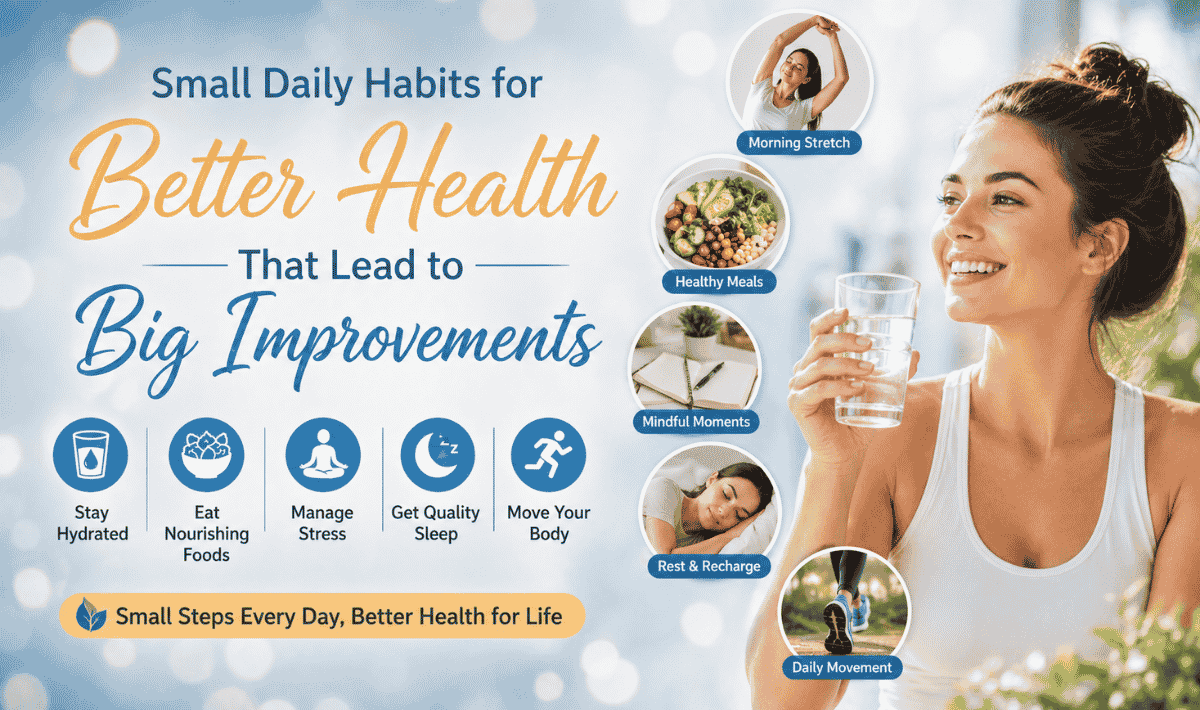
- Good daily habits include moving regularly, eating mindfully, managing stress, prioritizing sleep, and connecting socially. Think of them as small investments with big health returns—often noticed only when you look back and wonder how you ever lived without them, making them simple habits for a healthy lifestyle.
Understanding the Power of Daily Habits for Better Health
- There’s an enduring wisdom tucked into the old saying, “How you spend your days is how you spend your life.” When it comes to health, research consistently shows that the little things—repeated, almost on autopilot—build up to huge collective impact over time. A five-minute morning stretch, a decision to opt for water instead of soda, a break for a walk after lunch—all seem almost inconsequential at the moment.
- Yet, layer these micro-choices together and they fortify resilience against chronic disease, bolster mental clarity, and even protect against the friction of stress, forming essential daily wellness habits and preventive healthcare habits.
- The human mind tends to underestimate this compounding effect. Ask anyone who, after years of brushing off daily movement, finds themselves suddenly out of breath climbing stairs—consistency is key. It’s no accident that experts highlight routine as the single biggest predictor of sustained healthy change. The smaller and more repeatable a health habit is, the likelier it becomes a foundational part of your identity and community life through meaningful lifestyle changes for better health.
10 Good Daily Habits for Lasting Health Benefits
Zeroing in on actionable routines, research and clinicians agree on a core set of practices that anchor wellness:
Morning stretch:
Wake up muscles and get your blood flowing right out of bed.
Stay hydrated:
Aim for a big glass of water after waking up and with each meal.
Move purposefully:
Break up sitting with short activity bursts—take the stairs, walk during calls, dance while cooking.
Eat nourishing foods:
Prioritize whole, unprocessed foods, leaning on fruits, vegetables, whole grains, and lean proteins. Strength training: Incorporate resistance work at least twice a week to keep bones and muscles vigorous.
Daily flossing:
Protect oral (and in turn, heart) health—gum disease is linked to heart issues.
Sunscreen every morning:
Guard against skin damage all year, not just during beach trips.
Mental breaks:
Use breathing exercises like alternate-nostril or box breathing to reset stress.
Make time for hobbies:
or purposeful activity not only relieves stress but ups overall satisfaction.
Social connection:
Each day, reach out—even a quick chat with a neighbor counts.
The beauty of this approach? Flexibility. You don’t need perfection to see gain: regularly practicing even a handful of these sets off a feedback loop—one healthy act naturally leads to another, reinforcing healthy living tips in everyday life.
Liver Doctors Share Daily Habits for Better Health
It’s striking how often specialists—especially those treating chronic metabolic diseases—stress basic lifestyle fundamentals. Liver doctors point to small, steady patterns as the real defense against fatty liver disease, hepatitis complications, and long-term metabolic issues. They often recommend:
- Limit alcohol intake—no more than recommended weekly thresholds for your gender
- Maintain a healthy weight through portion control and regular activity
- Opt for unsweetened beverages to unburden the liver from extra sugars
- Eat fiber-rich foods—think beans, leafy greens, apples
- Keep up with vaccination schedules and checkups
In clinical practice, the patients who sidestep or reverse early liver damage aren’t the ones making huge, unsustainable overhauls. They’re the ones quietly following small daily habits for better health: mindful eating, regular movement, and less reliance on additives or excess alcohol. It’s not the flashy choices; it’s the relentlessly ordinary ones supported by preventive healthcare habits.
Bryan Johnson’s 10 Daily Habits for Better Health
Biohacker Bryan Johnson revealed 10 daily habits for better health that read like modern upgrades on classic advice. While some of his methods reach the extremes—think wearable trackers, custom supplements, and biometric-driven protocols—the essential habits overlap with mainstream guidance:
- Consistent wake and sleep times (even on weekends)
- Diverse, plant-rich diet
- Intermittent periods of movement—scheduled as strictly as meetings
- Regular strength training targeting different major muscle groups
- Mindful breathing sessions to wind down
- High-fiber breakfast and lunch
- Water as primary beverage
- No late-night eating
- Limiting exposure to digital devices before bed
- Journaling or gratitude practice each day
Though Johnson’s routine gets media attention for its high-tech trimmings, the biological gains—steady energy, steadier mood, more reliable sleep—generally come from the surprisingly old-school heart of his regimen and consistent daily wellness habits.
Daily Habits for Better Mental Health
Mental health rides the currents of daily life as much as (if not more than) physical health. Evidence points to five timeless habits for better health, specifically within the mind-body sphere:
- Practice gratitude—naming three good things, either aloud or in writing
- Keep active—walks, stretching, or any light physical movement
- Maintain regular sleep and wake routines
- Cultivate supportive social ties
- Build in structured mindfulness or meditation minutes, even as brief pauses
There’s a ripple effect in communities that normalize speaking openly about mental well-being. One simple phrase overheard in a waiting room—“It’s tough out there, but we keep going together”—captures why small daily practices matter. Everybody needs their own toolkit; it’s usually best when cobbled together from life’s simplest pleasures and simple habits for a healthy lifestyle.
Daily Habits for a Strong Body and Better Bone Health
Bone, muscle, and joint health aren’t just about the big workouts—they depend on the daily maintenance, almost like oiling a machine.
Daily Habits for Better Bone Health
The science is clear: osteoporosis and fractures later in life can be buffered—if not altogether avoided—by what happens during ordinary days. Key actions include:
- Weight-bearing activities: walking, jogging, simple bodyweight exercises
- Getting enough calcium and vitamin D—preferably from food sources
- Regular resistance training for muscle and bone support
- Limiting excess salt and soda, which can leach minerals from bone
It’s hard to overstate what a difference it makes to embrace these “boring” habits decades early and adopt lifestyle changes for better health.
Daily Tips for a Healthy Life
- Some advice rings out across generations: Stick with what works. Small changes—for example, meal prepping healthy snacks to avoid vending machine traps, setting a timer for mini walks, or keeping water visible on your desk—truly add up.
- The 5-5-5 grounding technique for stress, box breathing in traffic, or jotting down two wins at the end of each day shifts mindset and momentum. Habit stacking—tying a new habit to an existing one, such as stretching while you brew coffee—cements change as part of a real-life routine and reinforces healthy living tips.
The 3-3-3 Rule for Habits and Health
People love a catchy rule. The 3-3-3 rule is gaining traction, but confusion swirls about what it actually means and how to use it.
What Is the 3-3-3 Rule for Habits?
Simply put, the 3-3-3 rule for habits is a way to break a habit change into manageable, consistent building blocks. Pick three small healthy habits, commit to doing them for three days straight, and repeat this for three weeks. By the time those weeks are up, the habits usually start to stick.
What Is the 3-3-3 Rule for Health?
When it comes to health, the 3-3-3 rule adapts to tackling stress or emotional overwhelm: notice three things you see, three you hear, and three you feel.
Daily Habits to Improve Life and Well-Being
The deeper truth? Lasting health is less about grand, singular breakthroughs and more about the day-in, day-out rituals. Choosing water over soda once isn’t going to change much, but repeating that swap 300 times a year does. It’s these ripples that shape healthier communities through consistent daily wellness habits.
FAQs About Daily Habits for Better Health
Ten habits that support daily health: stretching, hydration, moving regularly, mindful eating, strength training, flossing, wearing sunscreen, relaxing breathing, hobbies, and daily social interaction.
Start with three small daily habits. Repeat them for three days, and then continue this for three weeks.
In health, it means noticing three things you see, three you hear, and three you feel.
The five timeless habits: move regularly, eat nourishing food, get quality sleep, manage stress, and nurture strong social connections.
Conclusion: Key Takeaways and Next Steps for Better Health
Day after day, the evidence speaks plainly: small daily habits for better health beat grand resolutions every time. The real transformation bubbles up from repeated, ordinary acts—stretching, eating well, sleeping on schedule, connecting, and calming the mind. If you’ve scanned through these habits and thought, “That’s almost too simple”—that’s the point.
Start your healthy lifestyle journey today with Texan Primary Care. Book your appointment now and get expert guidance for personalized preventive healthcare. Take control of your health with Texan Primary Care and begin your transformation today.
Comments are closed